Outlier AI SWE: Unbiased Hiring Solutions
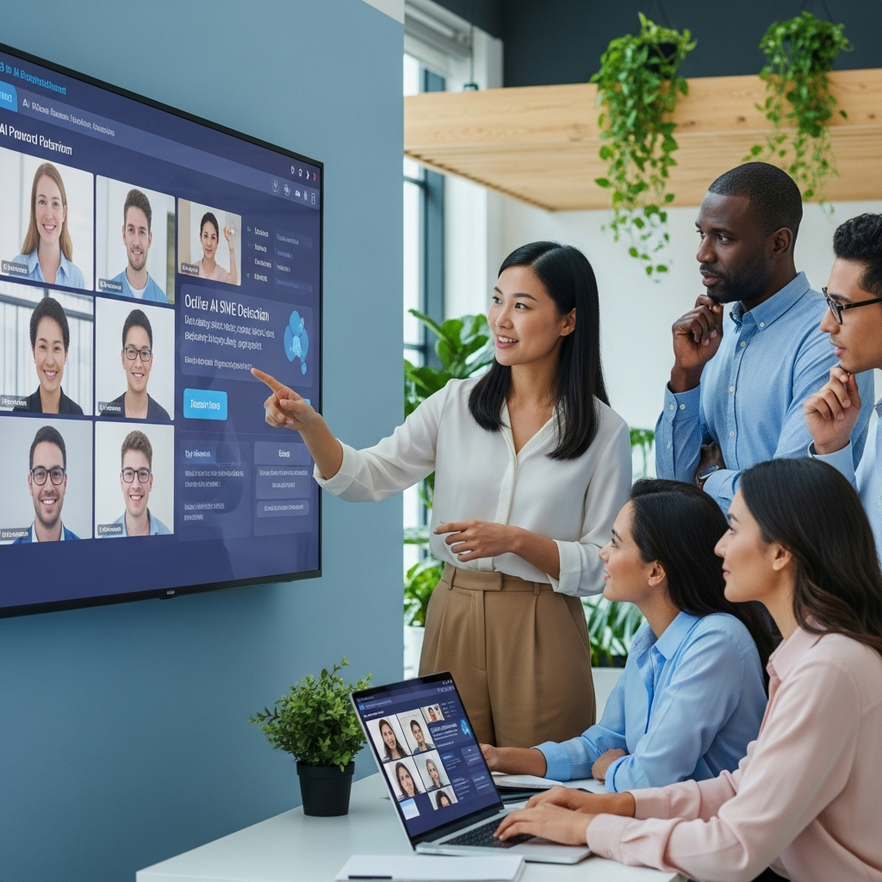
Outlier AI SWE detection uses advanced pattern recognition algorithms to identify exceptional software engineering candidates by analyzing technical responses against multiple benchmarks, distinguishing both high-potential talent and unique problem-solving approaches from typical candidate pools. For a deeper dive into understanding what outliers are, resources like Coursera provide comprehensive explanations.
Over 72% of tech companies now use AI-powered interview systems to evaluate software engineering candidates, fundamentally changing how organizations identify and assess technical talent through standardized, objective evaluation processes. Modern recruitment demands both speed and fairness. AI interviewer software and AI skill assessment software solutions address longstanding challenges in technical recruitment by providing consistent evaluations that reduce bias while maintaining the efficiency modern hiring teams require. These advanced systems help recruiters make more objective hiring decisions through conversational AI interviewer platforms and video interview software that evaluate candidates on technical competency and problem-solving abilities rather than subjective factors.
Understanding AI Interview Scoring in Modern Technical Recruitment
AI interview scoring systems have transformed technical recruitment by replacing inconsistent questioning and subjective evaluation criteria with standardized assessments. Traditional interview challenges for SWE roles included difficulty scaling assessments across large candidate pools, which often led to qualified candidates being overlooked while less suitable applicants advanced through the process. Modern AI interviewer software addresses these problems through sophisticated algorithms that evaluate candidate responses against predetermined technical benchmarks. These AI-powered assessment tools can assess coding logic, problem-solving approaches, and communication skills with remarkable accuracy. According to research from reputable organizations like NIST on AI-powered hiring platforms, companies using AI interview scoring report 43% improvement in candidate quality and 38% reduction in time to hire.
How Outlier AI SWE Detection Works
Outlier AI SWE detection identifies candidates whose responses fall outside typical patterns through multiple evaluation mechanisms. This technology helps recruiters spot both high-potential candidates and those requiring additional evaluation by examining technical accuracy and innovative problem-solving approaches. For a machine learning perspective on outliers, DeepAI offers relevant definitions. The detection process operates through three core mechanisms:
- Pattern recognition algorithms analyze candidate responses for technical accuracy and innovative problem-solving approaches, comparing answers against established benchmarks
- Technical competency assessment tools evaluate coding skills, system design knowledge, and debugging capabilities in real time through AI skill assessment software
- Real-time scoring mechanisms provide immediate feedback to recruiters while maintaining detailed evaluation records for later review and candidate feedback
These systems excel at distinguishing exceptional candidates from typical performers, making outlier AI SWE detection essential for identifying top talent in high-volume hiring scenarios.
Addressing Bias in AI Recruitment: The Technical Challenge
Bias in AI recruitment remains a critical concern for HR professionals implementing automated assessment tools. Understanding these challenges helps organizations build fairer hiring processes through conversational AI interviewer systems and interview software for recruiting agencies that truly evaluate candidate potential rather than reflecting historical prejudices.
Common Sources of Bias in Technical Interviews
Algorithmic bias in coding assessments can favor certain programming languages or methodologies over equally valid alternatives, disadvantaging candidates with different technical backgrounds. Cultural and linguistic barriers may disadvantage candidates whose communication styles differ from training data patterns, while experience level assumptions built into scoring models might overlook candidates with non-traditional backgrounds or self-taught skills. Research from institutions like MIT indicates that unaddressed bias in technical interviews can reduce candidate diversity by up to 31%. Ethical AI talent acquisition strategies focus on identifying and eliminating these bias sources before they impact hiring decisions through AI interviewers for staffing firms and conversational interview scheduling software that standardizes evaluation criteria.
Outlier Answer Detection Methodologies
Advanced outlier answer detection systems use multiple evaluation frameworks to assess candidate responses without relying on narrow pattern matching that might exclude valid alternative approaches. These methodologies examine technical correctness, creative problem-solving, and communication effectiveness by recognizing that skilled candidates may reach correct solutions through different coding styles or architectural decisions.
Question-Aware AI Systems for SWE Roles
Context-specific evaluation criteria ensure that each question type receives appropriate assessment parameters through question-aware AI systems. For specific AI interview questions for Software Engineering roles, a system design question requires different evaluation metrics than a coding challenge or debugging exercise, and conversational AI interviewer platforms adapt their scoring algorithms based on question categories and expected response types. Technical question categorization helps maintain consistency across different interview sessions while allowing for natural variation in how skilled candidates approach similar problems. Companies implementing question-aware AI systems report accuracy improvement rates of up to 47% compared to generic automated assessment tools.
Implementing Fair AI in Hiring: Best Practices for SWE Positions
Ethical AI Talent Acquisition Strategies
Building ethical recruitment systems requires thoughtful implementation of fair AI in hiring practices through video interview software and an AI recruiter for high-volume hiring platforms. Organizations must prioritize transparency and accountability throughout their automated assessment processes. Fair AI implementation includes three essential components:
- Transparent scoring methodologies enable candidates to understand evaluation criteria and prepare effectively, reducing anxiety about automated assessment
- Candidate feedback mechanisms provide specific improvement areas rather than generic rejection notices, supporting candidate development
- Continuous algorithm refinement ensures systems evolve alongside changing technical requirements and industry standards
These strategies help companies maintain trust while improving overall recruitment outcomes through consistent, unbiased evaluations. Platforms like ScreenInterview integrate these principles into their AI interviewer software, enabling recruiting agencies to maintain ethical standards while scaling their hiring processes.
Automated Interview Fairness Protocols
Establishing clear protocols ensures automated interview fairness becomes standard practice rather than optional consideration. Regular audits of scoring patterns help identify potential bias before it affects hiring decisions through one-way AI interviewer and two-way AI interviewer configurations that maintain consistent evaluation standards.
AI Bias Mitigation Techniques
Effective AI bias mitigation requires multiple complementary approaches working together. Neutralizing outlier responses prevents exceptional candidates from being unfairly penalized for unconventional solutions. Balanced dataset training incorporates diverse coding styles and problem-solving methods. Regular bias auditing processes catch emerging issues before they impact candidate evaluations.
Enhancing Candidate Experience While Maintaining Recruitment Efficiency
Modern recruitment demands both speed and quality through AI skill assessment software that streamlines technical evaluation. Candidate experience improvements help achieve both goals without compromise by reducing friction in the interview process.
Streamlining the Technical Interview Process
Automated systems reduce average time to hire by 35% while maintaining thorough technical evaluations. Standardized evaluation criteria ensure every candidate receives a fair assessment regardless of the interviewer's availability. Scalable assessment solutions handle high-volume hiring periods without sacrificing quality or consistency through an AI recruiter for high-volume hiring platforms.
Balancing Automation with Human Oversight
Smart recruitment combines AI interviewer software efficiency with human judgment for final decisions. Technical recruiters review flagged responses and edge cases while automation handles routine assessments, ensuring that outlier AI SWE detection serves as a tool for human decision-making rather than replacing it entirely.
Integration with Existing ATS Systems
Seamless integration maximizes existing technology investments through conversational interview scheduling software that connects with current recruitment workflows. Workflow optimization reduces manual data entry by 60%. Data synchronization capabilities ensure candidate information flows smoothly between platforms without duplicate effort or lost details.
Measuring Success: ROI of Ethical AI Interview Systems
Key Performance Indicators for Fair Hiring
Fair AI implementation produces measurable improvements across multiple metrics:
- Diversity metrics improvement shows a 28% increase in underrepresented group advancement rates when bias mitigation techniques are properly implemented
- Candidate satisfaction scores rise 41% when a transparent AI assessment replaces traditional screening methods
- Interview-to-hire conversion rates improve 33% through better initial candidate matching using AI-powered assessment tools
Long-term Benefits of Bias-Free SWE Recruitment
Companies implementing ethical AI interviewer software report stronger engineering teams and reduced turnover rates. Fair evaluation processes attract top talent who value inclusive workplaces. These benefits compound over time as improved hiring decisions create positive recruitment cycles. Organizations using outlier AI SWE detection and conversational AI interviewer systems experience sustained competitive advantages in talent acquisition.
Frequently Asked Questions
Q1: How does outlier AI SWE detection differ from traditional screening methods?
Outlier AI SWE systems use pattern recognition algorithms to evaluate technical responses against multiple benchmarks, identifying both exceptional talent and unique problem-solving approaches. Traditional methods rely on subjective interviewer judgment, which can miss qualified candidates with unconventional backgrounds or creative solutions. AI interviewer software provides a standardized evaluation that traditional screening cannot match.
Q2: What measures ensure fair AI in hiring doesn't compromise technical assessment quality?
Question-aware AI systems adapt evaluation criteria based on specific question types, maintaining rigorous technical standards while reducing bias. These platforms combine automated scoring with human oversight for edge cases, ensuring both fairness and accurate skill assessment. Video interview software and AI skill assessment software incorporate these safeguards into their core functionality.
Q3: How can companies implement AI bias mitigation without disrupting existing recruitment workflows?
Modern AI interviewer software integrates directly with existing ATS systems through automated data synchronization. Companies can start with parallel testing alongside current processes, gradually increasing automation as teams gain confidence in the system's fairness protocols. Conversational interview scheduling software facilitates this transition by maintaining compatibility with established recruiting processes.
Q4: What role does question-aware AI play in evaluating diverse SWE candidate backgrounds?
Question-aware AI recognizes that valid solutions can come through different approaches and programming styles. This flexibility allows candidates from non-traditional backgrounds to demonstrate technical competency without being penalized for alternative methodologies. AI power assessment tools specifically designed for this purpose help recruiting agencies and staffing firms build more diverse engineering teams.
Q5: How do automated interview fairness systems handle edge cases in technical responses?
These systems flag unusual responses for human review rather than automatically rejecting them. Recruiters examine flagged answers to distinguish between truly incorrect responses and innovative solutions that fall outside typical patterns. One-way AI interviewer and two-way AI interviewer systems both incorporate this human-in-the-loop approach to ensure outlier AI SWE detection serves hiring teams effectively.