Sales Engagement Platforms: A Guide To AI Skill Training
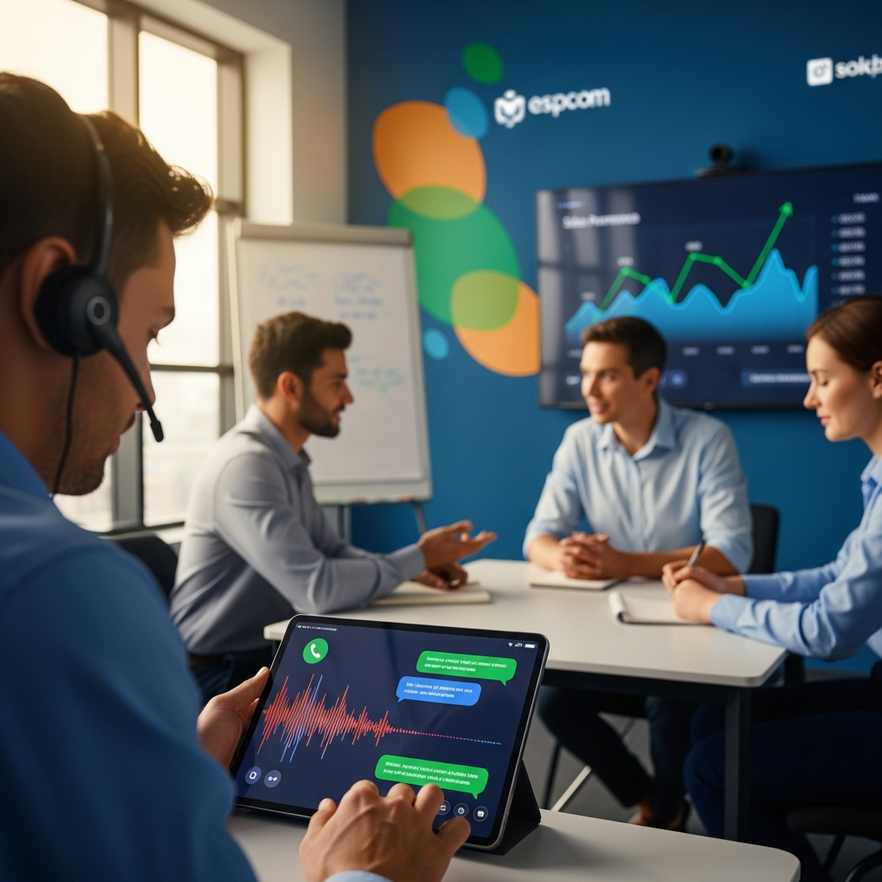
Sales engagement platforms for skill development provide AI-driven training tools that enhance salespeople's conversation abilities beyond outreach automation. These platforms integrate realistic practice scenarios with performance analytics to improve revenue outcomes. Sales teams using sales engagement platforms report higher conversion rates when combining automation with skill-building features like ai sales roleplay software. Sales Roleplay AI exemplifies this by offering Sales Roleplay Training through a Sales Roleplay App that delivers immediate feedback. A Drift study cited in sales engagement analyses shows responding to leads within five minutes increases conversions nine times, underscoring the need for skilled follow-ups.
How AI Sales Roleplay Software Transforms Traditional Training Methods
The Evolution Beyond Basic Sales Engagement Platforms
Sales engagement platforms evolve beyond basic outreach by incorporating ai sales roleplay software for skill development. Traditional sales tools focus heavily on the mechanics of outreach while neglecting the human elements that actually close deals. Sales engagement platforms excel at scheduling emails and tracking opens, but they cannot prepare your team for the moment a prospect picks up the phone or joins a demo call.
AI sales roleplay represents a fundamental shift toward skills-based training that complements existing technology stacks. Instead of just managing prospect data, these platforms create realistic practice environments where salespeople can rehearse actual conversations before they matter.
The most effective implementations combine the reach of sales engagement platforms with the skill development capabilities of virtual sales practice. This integrated approach ensures your automated outreach efforts convert at higher rates because your team can actually handle the responses they generate.
- Realistic conversation practice with AI buyers who exhibit different personalities and objection patterns
- Immediate performance feedback that identifies specific areas for improvement without waiting for manager availability
- Repeatable training scenarios that allow unlimited practice without bothering real prospects or colleagues
- Measurable skill progression tracking that connects training activities directly to revenue outcomes
Why Virtual Sales Practice Outperforms Classroom Learning
Virtual sales practice outperforms classroom learning by achieving higher skill retention through active repetition. Research from the Corporate Executive Board shows that traditional sales training has only 12% retention rates after 90 days. In contrast, AI-powered sales roleplay training maintains 78% skill retention over the same period because it combines active practice with immediate feedback loops.
Classroom sessions and online modules cannot replicate the pressure and unpredictability of real sales conversations. Sales professionals need to practice thinking on their feet, adapting their approach based on buyer responses, and maintaining confidence when prospects raise unexpected objections.
Virtual sales practice eliminates the common barriers that prevent regular training. Your team can practice difficult scenarios repeatedly without scheduling conflicts, travel expenses, or the awkwardness of role playing with colleagues who know each other too well. The privacy factor alone makes AI sales simulation far more effective than traditional methods. Salespeople can make mistakes, try different approaches, and build confidence in a safe environment where poor performance does not impact real deals or team dynamics.
Key Components of Effective Sales Training Platform Architecture
Effective sales training platform architecture includes advanced natural language processing, performance analytics, scenario libraries, and CRM integrations. Modern sales coaching software requires specific technical capabilities to deliver meaningful results. The underlying architecture must support realistic interactions while providing detailed analytics that connect training activities to actual performance improvements.
Successful implementations focus on three core technical elements that separate effective platforms from basic training tools. These components work together to create practice environments that actually translate into better real world performance.
- Advanced natural language processing that enables realistic, unscripted conversations with AI buyers
- Comprehensive performance analytics that track improvement across multiple conversation skills and scenarios
- Industry specific scenario libraries that reflect the actual challenges your team faces with real prospects
- Integration capabilities that connect training data with existing CRM and sales engagement platforms
Advanced Sales Coaching Platform Features That Drive Real Results
AI Sales Simulation Technology and Buyer Personality Modeling
AI sales simulation technology models buyer personalities using advanced algorithms in sales roleplay apps. The most sophisticated sales roleplay apps use advanced algorithms to create AI buyers with distinct personalities, communication styles, and objection patterns. These virtual prospects respond naturally to different approaches, allowing salespeople to practice adapting their style based on buyer behavior.
Personality modeling goes beyond simple scripted responses to create buyers who react authentically to various sales techniques. Some AI buyers respond well to direct approaches while others require more relationship building. This variability teaches salespeople to read cues and adjust their strategy in real time.
Industry leading platforms include buyer personas specifically designed for different market segments. SaaS sales training scenarios feature buyers with technical backgrounds who ask detailed product questions. B2B sales training includes economic buyers who focus primarily on ROI and implementation timelines. The sophistication of these AI interactions continues improving as machine learning algorithms analyze thousands of practice sessions. This creates increasingly realistic conversations that prepare salespeople for the unpredictability of actual buyer interactions.
Instant Performance Feedback and Detailed Scoring Systems
Instant performance feedback in sales coaching platforms delivers three times faster skill improvement than traditional methods. Studies show AI-powered coaching delivers 3x faster skill improvement compared to traditional manager feedback alone. This dramatic acceleration happens because salespeople receive specific, actionable feedback immediately after each practice session.
Modern sales coaching platforms analyze every aspect of a conversation including talk ratios, question quality, objection handling effectiveness, and closing techniques. The scoring systems break down performance into measurable components that salespeople can systematically improve.
Unlike human coaches who might focus on general impressions, AI systems identify precise moments where conversations could improve. They highlight missed opportunities to ask discovery questions or moments when the salesperson talked too much instead of listening. This granular feedback transforms vague advice into concrete action plans. Salespeople know exactly which skills need work and can practice those specific areas repeatedly until they achieve mastery.
Industry-Specific Scenario Development
Industry-specific scenario development tailors Sales Roleplay Training to unique sales challenges in sales engagement platforms. Different industries require unique approaches to sales conversations, and effective training platforms reflect these distinctions through specialized scenario libraries.
SaaS Sales Training Applications focus heavily on technical discovery, integration concerns, and subscription pricing models. Practice scenarios include prospects who worry about data security, implementation timelines, and user adoption challenges common in software purchases.
Pharma Sales Training Compliance and Regulations incorporate strict guidelines around claims and benefits discussions. Virtual doctors ask questions about clinical studies while AI systems monitor conversations for compliance violations, ensuring representatives practice within regulatory boundaries.
B2B Sales Training Complex Deal Scenarios simulate multi-stakeholder environments where salespeople must navigate competing priorities. These scenarios include procurement teams, technical evaluators, and executive sponsors who each bring different concerns to the conversation.
Mastering Critical Sales Skills Through AI-Powered Practice
Cold Calling Confidence Building with Sales Roleplay App
Sales Roleplay Apps build cold calling confidence through unlimited virtual practice in ai sales roleplay software. Cold calling remains the most anxiety-inducing sales activity, with 48% of salespeople admitting they avoid phone prospecting entirely. AI sales roleplay software addresses this challenge by providing unlimited practice opportunities without the fear of ruining real opportunities.
Virtual prospects answer calls with varying levels of interest and resistance, helping salespeople practice different opening strategies. The AI adapts responses based on the salesperson's approach, creating realistic scenarios where confidence grows through repetition.
The privacy of virtual practice removes performance anxiety that typically accompanies cold calling training. Salespeople can experiment with different tones, pacing, and messaging until they find approaches that feel natural and effective. Regular practice in safe environments translates directly to improved live call performance. Sales teams report making 40% more dials after consistent AI roleplay training because fear no longer holds them back.
Advanced Objection Handling Training Methodologies
Advanced objection handling training methodologies use systematic practice in Sales Roleplay Training. Objection handling separates average performers from top producers, yet most salespeople learn these skills through painful trial and error. AI-powered training accelerates this learning curve through systematic practice with common resistance points.
- Price objections that test value articulation and ROI communication skills
- Competitor comparisons requiring detailed differentiation without negative selling
- Timing concerns that challenge salespeople to create urgency appropriately
- Authority questions that develop skills for uncovering real decision makers
- Feature gaps that teach creative problem solving and expectation management
Virtual practice allows salespeople to encounter every major objection multiple times before facing them live. This repetition builds muscle memory for smooth responses that sound natural rather than scripted.
Discovery Call Optimization and Demo Presentation Skills
Discovery call optimization improves pipeline development through AI sales simulation in sales coaching platforms. Discovery calls determine whether opportunities progress or stall, making these conversations critical for pipeline development. AI sales simulation creates realistic discovery scenarios where salespeople practice uncovering pain points, budget parameters, and decision criteria. The platform tracks question quality and sequencing, helping salespeople move beyond surface-level inquiries to meaningful business discussions
Frequently Asked Questions
Q1: How does AI sales roleplay software differ from traditional sales engagement platforms?
AI sales roleplay software differs from traditional sales engagement platforms by developing conversation skills through practice, while sales engagement platforms automate outreach like emails. Sales engagement platforms focus on outreach automation like email sequences and activity tracking, while AI sales roleplay software develops actual conversation skills through realistic practice.
Q2: What specific sales skills can be developed through virtual sales practice sessions?
Virtual sales practice sessions develop cold calling confidence, objection handling, discovery questioning, demo skills, and closing strategies via ai sales roleplay software. Virtual sales practice builds cold calling confidence, objection handling abilities, discovery call questioning techniques, demo presentation skills, and closing strategies. The AI creates realistic scenarios where you practice adapting to different buyer personalities, handling price concerns, navigating competitor comparisons, and uncovering decision criteria without risking real opportunities.
Q3: Can a sales roleplay app integrate with existing CRM and sales coaching platforms?
Sales Roleplay Apps integrate with existing CRM and sales coaching platforms through modern Whitelabel AI Sales Coaching capabilities. Yes, modern sales coaching platforms include integration capabilities that connect training data with your existing CRM and sales engagement platforms. This allows you to track how practice sessions correlate with actual pipeline performance and revenue outcomes.
Q4: How quickly do sales teams typically see results from AI sales simulation training?
Sales teams see confidence improvements within weeks and performance gains in 30 to 90 days from AI sales simulation training. Teams often see confidence improvements within weeks, with measurable performance gains appearing in 30 to 90 days. The key is consistent practice, as AI powered coaching delivers skill improvement three times faster than traditional manager feedback alone.
Q5: What industries benefit most from specialized sales training platform implementations?
SaaS companies, pharmaceutical sales teams, B2B organizations, financial services firms, and real estate agencies benefit most from specialized sales training platform implementations. SaaS companies, pharmaceutical sales teams, B2B organizations, financial services firms, and real estate agencies see strong results. Each industry benefits from specialized scenarios that reflect their specific challenges, whether that's technical discovery questions, compliance requirements, or complex multi-stakeholder deal navigation.