Why Old Sales Training Exercises Fail (And What Works Now)

Sales training exercises are structured practice activities that develop sales skills through realistic scenarios and feedback to increase revenue. These exercises target specific competencies like objection handling and cold calling. SalesRoleplay App provides ai sales roleplay software for Sales Roleplay Training, functioning as a Sales Coaching Platform with Whitelabel AI Sales Coaching options. Companies using structured sales training programs achieve 18% higher revenue growth than those without, according to sales training analyses that correlate training with performance.
What Makes Sales Training Exercises Effective in 2024
Sales training exercises prove effective in 2024 through scenario-based practice with immediate feedback that exceeds traditional methods.
The Evolution Beyond Traditional Methods
Today's most successful sales training exercises address gaps left by conventional approaches. Where traditional role play involves awkward peer interactions and limited scenarios, modern sales training exercises create realistic buyer environments that challenge sales professionals appropriately. The shift toward scenario based training reflects how buyers have evolved, a trend noted in the current state of sales training and continuous learning. With 67% of B2B buyers completing most research before engaging sales reps, sales teams need sales training exercises handling informed prospects with specific questions and researched objections.
Modern sales practice focuses on building muscle memory for common situations while developing adaptability for unique scenarios. This combination ensures sales professionals handle routine interactions and complex enterprise deals with equal confidence.
Key improvements over traditional methods include:
- Consistent buyer personalities that respond predictably to different approaches
- Immediate feedback that highlights specific improvement areas
- Repeatable scenarios that allow multiple practice attempts
- Industry specific situations that match actual sales environments
Core Elements of High Impact Sales Practice
Effective sales training exercises share characteristics that distinguish them from generic role playing activities. The most important element is creating psychological safety where sales professionals experiment with approaches without fear of judgment or lost opportunities. Research shows that 73% of sales teams using scenario based training report improved objection handling skills within 30 days. This improvement stems from structured practice that breaks down complex sales skills into manageable components.
High performing Sales Coaching Platforms incorporate real time feedback mechanisms that help practitioners understand effective approaches. This immediate response creates faster learning cycles compared to traditional training providing feedback days or weeks after sessions. Academic research on sales performance strategies supports that the best sales training exercises include progressive difficulty levels that build confidence gradually while introducing challenging situations as skills develop.
Essential Sales Role Play Exercises for Revenue Growth
Cold Calling Practice Scenarios
Cold calling practice scenarios form essential sales training exercises for revenue growth by simulating real interactions. Cold calling remains one of the most challenging aspects of sales, yet most sales professionals receive minimal training in this critical skill. Effective cold calling practice requires exposure to various buyer personalities and response patterns mirroring real world interactions.
The most valuable cold calling exercises focus on the first 30 seconds of conversation, where most calls succeed or fail. Sales professionals need practice handling immediate objections, building rapport quickly, and transitioning to qualification questions smoothly. Successful cold calling practice scenarios include:
- Busy executives with limited time for unexpected calls
- Skeptical prospects questioning value of unsolicited outreach
- Interested buyers wanting immediate detailed information
- Gatekeepers protecting decision makers from sales calls
Discovery Call Training Modules
Discovery call training modules constitute key sales training exercises that qualify prospects effectively. Discovery calls determine whether prospects become qualified opportunities or dead ends. These conversations require sales professionals to balance information gathering with relationship building while maintaining conversation flow control.
Effective discovery call training focuses on asking better questions and listening actively. Sales Roleplay Training develops skills uncovering real business challenges while building trust with potential buyers. Practice scenarios include prospects sharing information freely, those providing minimal details, and buyers attempting to control conversations by asking about pricing before sharing needs.
Demo Presentation Rehearsals
Demo presentation rehearsals serve as vital sales training exercises for customizing presentations to prospect needs. Product demonstrations can make or break enterprise sales cycles. Many sales professionals deliver generic presentations failing to address specific prospect requirements.
Demo practice focuses on customization and handling unexpected questions or technical issues. The most effective demo rehearsals simulate real presentation environments including conference room dynamics, technical difficulties, and multiple decision makers with different priorities and concerns.
Advanced Objection Handling Drills
Advanced objection handling drills represent high-impact sales training exercises improving closure rates by 43%. Objection handling separates average performers from top sales professionals. Companies implementing structured objection handling practice see 43% improvement in deal closure rates because teams learn to address concerns confidently rather than defensively.
Advanced objection handling training goes beyond memorizing responses to common concerns. Sales Roleplay Training develops ability to understand underlying reasons behind objections and address root causes rather than surface level statements. The most challenging objections combine multiple concerns such as budget constraints, timeline pressures, and competitive alternatives. It's critical to practice advanced objection handling drills to prepare sales professionals for realistic buyer interactions.
How AI Sales Roleplay Software Transforms Practice Sessions
Realistic AI Buyer Personalities and Responses
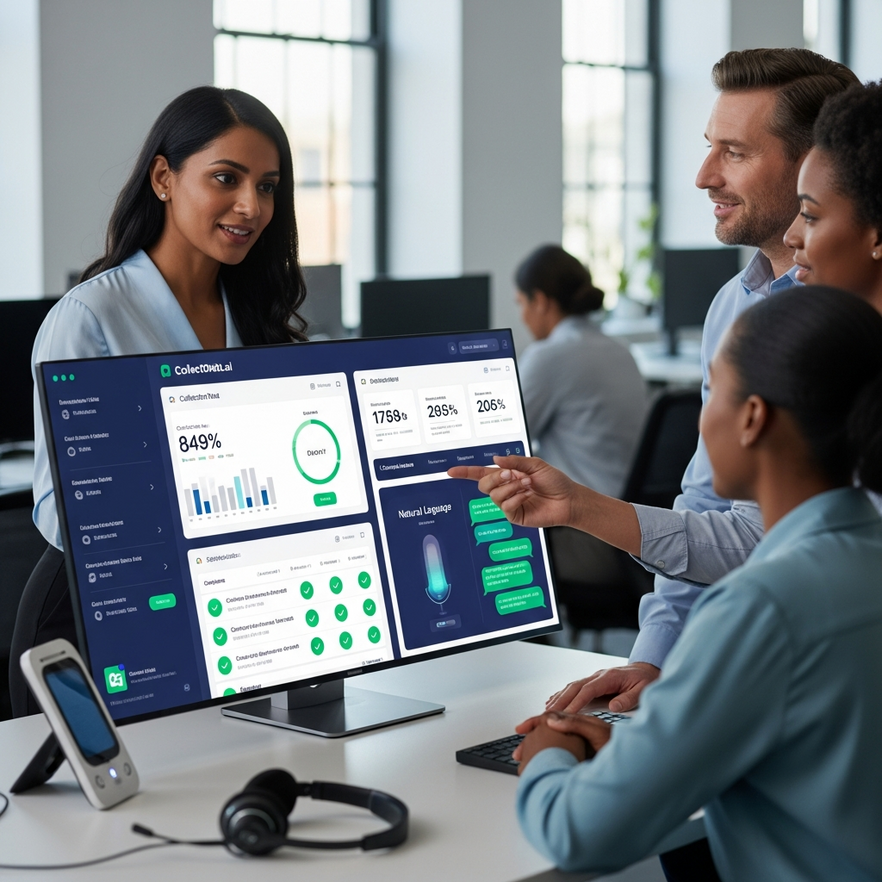
AI sales roleplay software creates buyer personalities responding naturally to selling approaches. Platforms like SalesRoleplay App show how AI sales roleplay software generates consistent traits unlike traditional role play where colleagues struggle to maintain character. These AI personalities remember previous interactions and reference earlier conversation points like real prospects.
AI buyers display emotions from initial skepticism to growing interest based on sales professional performance addressing needs. The technology adapts responses based on industry context, company size, and specific pain points. This creates thousands of unique practice scenarios preparing teams for actual buyer conversations.
Instant Performance Feedback Systems
Instant performance feedback systems in ai sales roleplay software accelerate skill development by highlighting improvement areas immediately. Sales professionals see questions resonating with buyers and conversation momentum loss points. Performance metrics track talk time ratios to question quality.
This data helps sales managers identify coaching opportunities for each team member. Feedback provides actionable suggestions beyond simple scoring. Sales reps learn exact improvements for next practice sessions based on clear guidance.
Industry-Specific Sales Scenarios
Industry-specific sales scenarios in Sales Coaching Platforms match market dynamics across sectors. Different industries require unique selling approaches. AI coaching platforms create scenarios matching specific market dynamics:
- SaaS companies practice handling technical questions and implementation concerns
- Financial services teams navigate compliance discussions and risk assessments
- Healthcare sales professionals address patient privacy and outcome requirements
- Manufacturing reps discuss supply chain challenges and production timelines
Building a Comprehensive Sales Coaching Platform Strategy
Integrating Gamification Elements
Integrating gamification elements into Sales Coaching Platforms transforms training into engaging development. Leaderboards, achievement badges, and progress tracking motivate sales professionals to practice regularly without management pressure. Teams incorporating gamified elements see 85% higher engagement rates compared to traditional programs.
Competition creates positive momentum while individual tracking ensures improvement at each person's pace. Points systems reward practice frequency and performance improvement. This approach encourages struggling performers to practice while challenging top performers to refine skills.
Measuring Sales Performance Improvements
Measuring sales performance improvements links practice to revenue outcomes. Track metrics like average deal size, sales cycle length, and conversion rates before and after structured training. Leading indicators include practice frequency, scenario completion rates, and skill score improvements.
These metrics predict performance changes before revenue reports. Compare individual improvement rates to identify practice types generating biggest gains. This data optimizes training programs for maximum impact.
Creating Safe Practice Environments for Skill Development
Creating safe practice environments enables genuine skill development in sales training exercises. Sales professionals need spaces where mistakes become learning opportunities rather than setbacks. Teams practicing in safe environments improve closing rates by 38% within 90 days.
This improvement comes from willingness to experiment without risking real opportunities. Safe spaces encourage sales reps to tackle weakest skills first. They repeatedly practice challenging scenarios until confidence replaces anxiety.
Implementing Whitelabel AI Sales Coaching Across Your Organization
Customization for Different Sales Roles
Customization for different sales roles tailors Whitelabel AI Sales Coaching to specific needs. SDRs need cold calling practice while account executives focus on complex negotiations and enterprise deal structures. The best whitelabel AI sales coaching platforms adapt scenarios based on role requirements.
New hires receive foundational skill practice while experienced reps tackle advanced objection handling. Customization extends to industry terminology, typical deal sizes, and common buyer concerns. This specificity ensures every practice session applies to real selling situations.
Tracking Progress and ROI Metrics
Tracking progress and ROI metrics demonstrates Whitelabel AI Sales Coaching value clearly. Track leading and lagging indicators to show training impact:
- Individual skill score improvements over time
- Team practice frequency and engagement rates
- Revenue per rep increases after training implementation
- Reduction in ramp time for new sales hires
ROI calculations include revenue gains and cost savings from reduced turnover and faster onboarding. Most organizations see positive returns within three months.
Scaling Sales Roleplay Training Enterprise-Wide
Scaling Sales Roleplay Training enterprise-wide requires thoughtful change management. Start with pilot programs in specific teams before expanding organization-wide. Integration with existing sales tools ensures adoption.
Practice sessions connecting to CRM data and sales methodologies show immediate relevance. Create internal champions demonstrating success and encouraging peer adoption. Real world examples prove consistent practice value better than management mandates.
Regular review cycles ensure platforms evolve with market conditions. Update scenarios quarterly to reflect new competitor offerings, pricing changes, and buyer behavior shifts.
Frequently Asked Questions
Q1: How do AI-powered sales training exercises compare to traditional role-play methods?
AI-powered sales training exercises in ai sales roleplay software provide consistent buyer personalities and immediate feedback, unlike traditional methods where colleagues struggle to maintain character. Sales Roleplay App enables repeated scenario practice without scheduling conflicts, with AI buyers responding naturally based on approaches rather than scripts.
Q2: What types of sales skills can be improved through roleplay training platforms?
Roleplay training platforms improve cold calling, discovery conversations, demo presentations, and objection handling through Sales Roleplay Training. Platforms develop better questioning techniques, active listening, and customization based on buyer personalities and industry contexts.
Q3: How quickly can sales teams see results from structured sales practice sessions?
Sales teams see improved objection handling within 30 days of regular sales training exercises. Organizations achieve measurable closing rate increases within 90 days, with 38% improvement when reps practice consistently in safe environments.
Q4: Can sales coaching platforms integrate with existing CRM and training systems?
Sales Coaching Platforms integrate with CRM data and existing sales methodologies. This integration ensures practice scenarios reflect actual selling situations and tracks training impact on revenue metrics.
Q5: What metrics should organizations track to measure the effectiveness of their sales training exercises?
Organizations track practice frequency, skill score improvements, and conversion rate changes to measure sales training exercises effectiveness. Monitor average deal size, sales cycle length, and ramp time for new hires to calculate ROI and identify high-impact practice types.